

Lesson 10
Types of Investments: What You Can Buy
Almost everything you can buy lends your money or buys a piece of something: deposits, bonds and government securities on one side; shares, gold, REITs and InvITs on the other. Funds are baskets of these; futures and options are contracts about their prices. Each one is judged by the same four questions.

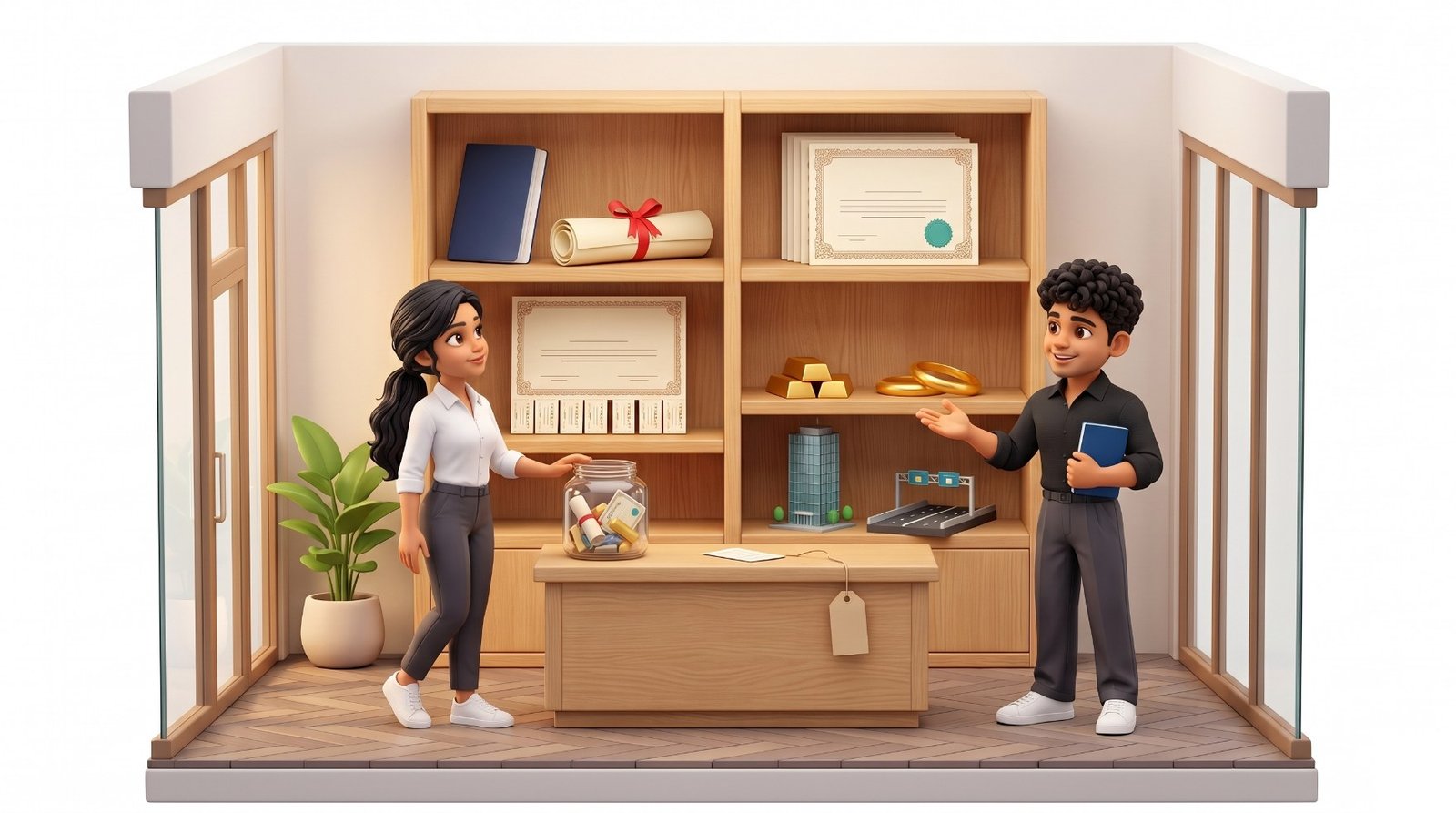
What are the main types of investments? Almost everything you can buy does one of two things with your money. It lends it to a bank, a company or a government for interest, or buys a piece of something: a business, gold, rented offices or toll roads. Funds hold baskets of these; futures and options are contracts about their prices.
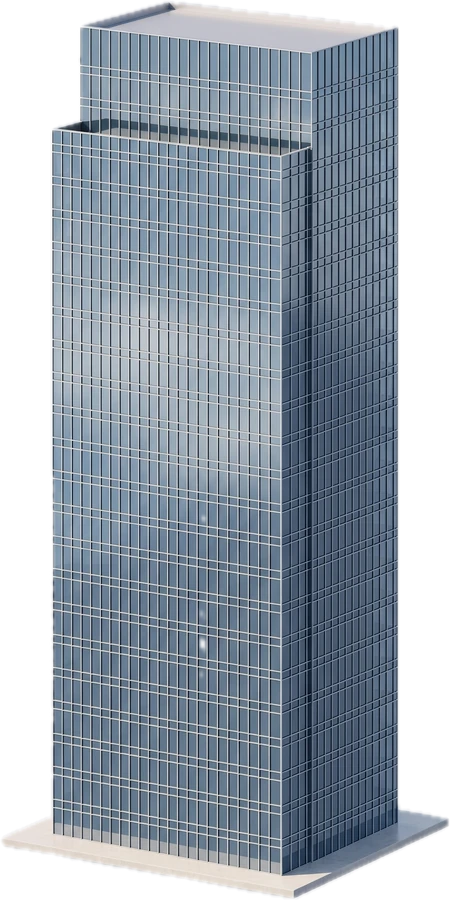
Some of it is closer than it sounds. Airtel (Bharti Airtel) does not own the striped glass building in Gurugram that is its registered office. Since June 2024, half of the company that owns it has belonged to Brookfield India REIT, a trust whose units trade on the stock exchange one at a time. One unit closed at ₹307.87 on NSE on 28 October 2026.
By the end you will be able to answer three questions: which investments lend your money, and which buy you a piece of something; which four questions tell any two investments apart; and why a fund is only a basket, and a futures contract not a piece of anything.
This lesson follows Maya, who runs a burger restaurant and is learning to invest, with Mr. Chartist as her guide. Maya and her amounts are made up; every company, price and date beside her is real and dated. Amounts are in Indian rupees (₹): one lakh is 100000 and one crore is 10 million. India's rules are named as India's, with a line on the US where it differs. The lesson before this one, your money before the market, set up Maya's base; this one lays out what the rest of her money can buy.
Lend or Own: Everything on One Shelf
Two deals sit behind almost everything you can buy
Maya has done what the last lesson asked: six months of essentials set aside, health cover in place, no costly debt. The rest of her savings can now go to work. Her bank's app keeps offering her a deposit; her friends talk only about shares.

I've only ever heard of two choices: a bank deposit or shares. Is that really all?
Remember the bank loan you turned down? Today you can stand where the bank stood, as the lender.
So a deposit is me lending. And buying shares makes me an owner, like the investor who bought into my restaurant?
Yes. A lender is promised interest. An owner is promised nothing, but shares whatever the business becomes.
Then gold, funds, those options adverts. Which side are they on?
Gold is owned. A fund is a basket that can hold either. Options are neither: a contract about a price.

Lending means handing money to a borrower (a bank, a company, a government) who promises interest, a fee for using your money, and your money back on a set date. Owning means buying a piece of something: a business, a metal, a building. Nobody promises anything; you earn from what it makes and from what the next buyer pays.
One bank offers both deals: , one of India's largest banks (not the one Maya uses). Say ₹1 lakh goes to it on 28 October 2026, as an illustration on real prices, and follow it two ways, one at a time.
Lend it. As a one-year fixed deposit (money lent to a bank for a fixed time at a fixed rate), it earns 6.25% a year. Interest is added every quarter, so the bank promises ₹106398 back a year later, before tax. The amount is written down on the day you lend.
Own it. Spent on shares, the same ₹1 lakh buys 72 at that day's NSE close of ₹1377.60 (₹99187.20, before costs), and nothing is promised back. The bank's board pays owners a dividend (a share of the profit) only when it chooses: for FY26, its financial year from April 2025 to March 2026, it proposed ₹12 a share for the owners on its register on 3 August 2026. If it paid ₹12 again next year, 72 shares would receive ₹864; nothing obliges it to. Everything else depends on the price the next buyer pays. In the year before, the same 72 shares were worth as little as ₹85507 at the lowest price they touched (2 April 2026) and as much as ₹106560 at the highest (20 July 2026). Where they will be a year on, nobody can say.
Now picture every investment on one shelf with two boards: lend (deposits, bonds, government securities) and own (shares, gold, units of REITs and InvITs). Each group on it (deposits and bonds, shares, gold, property and road trusts) is an : a family of investments that work the same way, carry the same kind of risk and follow the same rules.
Two things are built from the shelf rather than sitting on it: a basket of its items (mutual funds and ETFs, chapter 8) and a contract about their prices (futures and options, chapter 7). A SIP is not on the shelf at all; it is a way of paying into a fund in instalments, which the next lesson explains.
Figure 1Lend or own
Lend, and what comes back is promised; own, and nothing is
 ₹1 lakh at ICICI Bank28 Oct 2026 · an illustration on real prices
 Lend ita one-year fixed depositPromised
Written down the day you lend: ₹106398 back a year later, before tax (ICICI's rate cards of 3 and 29 Oct 2026).
 Own it72 shares at ₹1377.60, worth ₹99187Promised: nothing
And dividends? For FY26 the board proposed ₹12 a share: ₹864 on 72 shares, if it paid the same again. An if, never a promise.₹99187₹99187 on 28 Oct
72 shares at the NSE close of ₹1377.60.
Like the label on the back of a food packet, every product gets the same four lines, so any two can be compared. How does it pay you (its return)? What can go wrong (its risk)? How fast can you get your money out, and at what price (its liquidity)? What does it cost? A small line underneath names who watches over it. Try the first line on ICICI Bank's two deals before reading on: which one could tell you on 28 October what it would pay you a year later? Only the deposit. Chapters 2 to 5 fill one label each.
I know shares best. What would their label say?
Shares, on One Label
The owner's deal, and the owner's place in line

Is a dividend like interest, then? The company pays me every year?
Only when its board chooses to. Nobody promises a dividend, or the price.
And a company that famous can't simply fail, can it?
It can. And when it does, its owners stand at the back of the line.

How it pays: a dividend, only when the board decides to pay one (ICICI Bank's board proposed ₹12 a share for FY26 with its results on 18 April 2026, for the owners on its register on 3 August, and put it to its shareholders' vote at the yearly meeting); and the price at which you can sell to the next buyer (what moves share prices). Nobody promises either. A lender who holds a loan to its end gets the agreed interest and no more; an owner's piece has no such ceiling, and no floor above zero.
What can go wrong: the price can fall far and stay down (Zomato's road in why the stock market exists), and the company can fail. Against rising prices a share has one defence a loan lacks: a business can sometimes raise its own prices too, though nothing makes it.
How fast you can get out: any trading day, at the price buyers offer then; in India the money arrives the next trading day (clearing and settlement). But only while the exchange lets the share trade: in Jet Airways, the case below, trading has been since 8 November 2024.
What it costs: brokerage and taxes on each trade, a depository charge when you sell, and tax on any gain (brokerage, charges and taxes). Watched by: SEBI, India's market regulator, and the exchanges.
Who is paid first: when a company is liquidated (closed, with everything it owns sold to pay what it owes), India's Insolvency and Bankruptcy Code sets the order. The costs of the process come first; then workers' dues and lenders holding security (assets pledged to them); then other employees, other lenders, the government and the company's other creditors; then preference shareholders; and ordinary shareholders last. Owners get only what is left.
On 7 November 2024 India's Supreme Court ordered Jet Airways, once one of the country's large airlines, to be liquidated, because the plan to revive it had not been carried out. The next day trading in its shares was suspended on the exchanges. Its assets are sold for its lenders first; its shareholders stand at the back of the line, holding shares they cannot sell on the exchange. On 31 March 2026, almost seventeen months after the order, the company's latest filing on NSE still listed 148793 shareholders, 144245 of them small individual holders.
Figure 2Paid last
Who is paid first when a company is wound up
 The process's own costspaid firstThe costs of winding up
The liquidator's fees and the costs of selling what the company owns.
 Secured lenders and workersnextLenders holding security, and workers' dues
Security: assets pledged to a lender for its loan.
 Everyone else it owesone group, no order insideOther employees, other lenders, the government and the company's other creditors
Unsecured loans, tax and suppliers' bills.
 Preference sharesowners, paid before ordinary sharesPreference shareholders
Owners with a fixed dividend, paid before ordinary shareholders.
Ordinary sharespaid last, from whatever is leftOrdinary shareholdersThe owners you met in the first lesson: they get only what is left after everyone in front of them.
Jet Airwaysat the back of the line today
If owners stand last, what does a lender get for standing near the front?
Lending: Deposits, Bonds and Government Securities
One promise, three kinds of borrower

A fixed deposit is fixed. So I can't lose, can I?
The rate is fixed. Whether the borrower can pay it is another matter.
So a deposit, a government bill and a company bond are the same deal?
The same promise. What differs is who makes it, and what stands behind it.

A bank. ICICI Bank's one-year deposit pays 6.25% a year, on its rate card of 3 October 2026 and again on its card of 29 October. India's deposit insurer, the Deposit Insurance and Credit Guarantee Corporation (DICGC), covers up to ₹5 lakh per depositor in each bank, principal and interest together. Deposits with NBFCs (finance companies that are not banks) are not insured, and nor are bonds, funds or shares. A savings account is a deposit too, one you can reach any day at a lower rate.
The government. A Treasury bill is a short loan to the government with no separate interest payment: it works like a ₹100 voucher sold for less. In the RBI's auction of 28 October 2026, a 364-day bill sold at ₹93.75 for every ₹100 it will repay. The ₹6.25 difference is the interest: earned on ₹93.75 over 364 days, it works out to 6.69% a year. Think of Maya selling ₹100 burger vouchers for ₹94, to be used in a year: every buyer would in effect be lending her ₹94. The comparison stops at the point that matters most: a voucher is only as good as the restaurant that must honour it, and every loan is only as good as its borrower.
Longer government securities (G-secs) pay interest every six months until they end. Individuals can bid through RBI Retail Direct, open since 12 November 2021. India's small-savings schemes, such as the Public Provident Fund (PPF), also lend to the government, at a rate set every quarter: 7.1% for October to December 2026.
A company. A bond (in India often called a debenture) is a loan to a company at a fixed rate. Its interest is only as good as the company; it is not insured.
What can go wrong has three names. Credit risk: the borrower cannot pay (insured deposits are covered to ₹5 lakh per bank; bonds are not). Interest-rate risk: rates move, and the price of an older bond moves the other way. When new loans pay more, nobody pays full price for an old one paying less; when rates fall, the old one is worth more. It matters only if you sell before the end. And prices can rise faster than your interest (what inflation takes).
On 7 October 2026 the RBI raised its repo rate (the rate at which it lends to banks) to 5.50%, its first rise since February 2023. Three weeks later, ICICI Bank's new rate card of 29 October paid 6.60% on new deposits of three to ten years, up from 6.50% on its card of 3 October (6.55%, up from 6.45%, for two to three years), while its one-year rate stayed at 6.25%. Someone who locked a five-year deposit at 6.50% before the change keeps 6.50% for all five years, while new lenders get 6.60%. With a bond, the same kind of rise shows up as a lower price for anyone who sells before the end.
Figure 3Lending
Three borrowers, one promise
Each one promises the same: a set return, and your money back at the end.
A bankICICI BankInsured to ₹5 lakh6.25% a yearfor 1 yearInsured to ₹5 lakh per depositor in each bank, principal and interest together (DICGC). The governmentthrough the RBI's auctionsNot insured6.69% a yearpay ₹93.75, get ₹100 on day 364Owed by the government itself. Deposit insurance covers bank deposits only.
 A companythrough a bondNot insuredA fixed ratepaid on set datesNot insured. If it fails, its lenders wait in the winding-up queue shown earlier.
Figure 4Lending
When rates rise, an older bond's price falls
A bond's fixed rate cannot rise, so its price falls for anyone who sells before the end.
New deposits, 3 to 5 years6.50% → 6.60%card of 3 Oct → card of 29 Oct 2026; one year stayed 6.25%Locked in at 6.50% before the change: still 6.50% for all five years.How fast you can get out: a deposit can be broken early, with interest cut; a bill or G-sec is held to the end or sold on through Retail Direct; PPF money is locked in for 15 years, with withdrawals allowed from the seventh year. What it costs: usually nothing to buy; the interest is usually taxed as income (PPF's is an exception under India's rules). Watched by: the RBI for banks and government securities; SEBI for listed company bonds.
For US readers: bank deposits there are insured to at least $250000 at each insured bank, and US Treasury bills work the same way, sold below their face value and repaid at it.
Lending pays interest, and shares can pay dividends. Gold pays nothing, so why does everyone buy it?
Gold: Owning Something That Pays Nothing
All of its return is the next buyer's price



Gold is in the news every week. Doesn't it only ever go up?
Its average price in FY13, April 2012 to March 2013, was ₹30164 for ten grams.
And after that?
It fell three years running and only averaged higher in FY19. Gold paid its owners nothing while they waited.

The record cuts both ways. On the RBI's yearly averages for Mumbai, gold's price fell for three years after FY13 (April 2012 to March 2013) and did not average higher until 2018-19. The rises are real too: from ₹48723 for ten grams in FY21 to about ₹1.18 lakh in FY26, and in FY26 alone the average rose 56%. And it slips within a year: the RBI's own figure for the market price of one gram of pure gold (an average over three working days, which it uses to repay gold bonds early) was ₹15254 on 20 April 2026 and ₹14159 on 28 October 2026, about 7% lower. Whether gold beats rising prices depends on the years you pick; the last lesson shows how to compare any return with inflation.
Figure 5Gold
Gold's price, year by year, and the long wait after FY13
April 2006 to March 2007
April 2007 to March 2008, up 8.2% on the year before
April 2008 to March 2009, up 29.0% on the year before
April 2009 to March 2010, up 22.2% on the year before
April 2010 to March 2011, up 22.0% on the year before
April 2011 to March 2012, up 33.8% on the year before
April 2012 to March 2013, up 17.3% on the year before
April 2013 to March 2014, down 3.2% on the year before
April 2014 to March 2015, down 6.1% on the year before
April 2015 to March 2016, down 3.2% on the year before
April 2016 to March 2017, up 11.8% on the year before
April 2017 to March 2018, down 1.2% on the year before
April 2018 to March 2019, up 6.5% on the year before
April 2019 to March 2020, up 18.7% on the year before
April 2020 to March 2021, up 31.6% on the year before
April 2021 to March 2022, down 1.5% on the year before
April 2022 to March 2023, up 9.9% on the year before
April 2023 to March 2024, up 15.0% on the year before
April 2024 to March 2025, up 25.1% on the year before
April 2025 to March 2026, up 56.1% on the year before
Nov 2015 · first gold bonds sold₹2684 a gram (₹26840 for 10 g)
30 Nov 2023 · repaid₹6132 a gram (₹61320 for 10 g)
Figure 6Gold
Five ways to hold one gram of gold
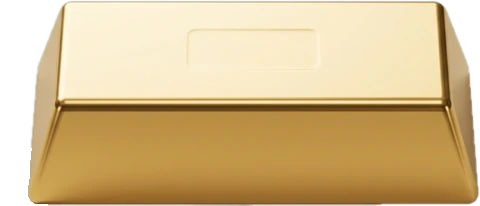 Coins and barssold back at a dealer's buying price
 Gold ETF unitsa fund that holds gold, sold on any trading day"Digital gold" on appsoutside SEBI's rules and its investor protection
Ways to hold one gram. Jewellery: the price includes the jeweller's making charges, which you do not get back when you sell; purity is shown by a hallmark. Coins and bars: kept at home or in a locker, and sold back at a dealer's buying price. Gold ETFs and gold funds: units of a fund that holds gold (chapter 8). : government bonds priced in grams of gold that also paid interest; the first, sold at ₹2684 a gram in November 2015 with 2.75% a year, were repaid at ₹6132 on 30 November 2023. None has been issued since February 2024; older ones still trade on the exchanges.
Ten grams of that first bond cost ₹26840 in November 2015, paid ₹738.10 of interest a year in two halves (₹5904.80 over eight years) and returned ₹61320 on 30 November 2023. The interest came from the government's promise, not from the metal: when gold paid its owner anything while they waited, it was because the gold had been turned into a loan, here a loan to the government wearing a gold price.
One thing sold as gold sits outside: "digital gold" on apps. SEBI said on 8 November 2025 that such products are outside its rules and its investor protection.
Its label: it pays by price only (gold bonds also paid interest). It can stall or fall for years, and jewellery loses its making charges. How fast you can get out depends on the wrapper: ETF units on any trading day, gold bonds on set dates or on the exchange, jewellery at a jeweller's price, coins and bars at a dealer's. Costs: making charges, storage, or a fund's yearly fee. Watched by: SEBI for gold ETFs; the RBI issues gold bonds for the government; no market regulator for "digital gold".
Is there anything I can own that pays me while I hold it, the way rent pays a landlord?
REITs and InvITs: A Slice of a Landlord
Own a little of the rent, and of the price
Every month, before anything else, Maya pays the rent for her restaurant. What would it take to be on the side that receives it?

To collect rent, I'd have to buy a whole building, wouldn't I?
No. A REIT splits rent-earning buildings into units, and they trade one at a time.
And the rent comes to me?
Most of it must be paid out. But the unit's price still moves, like a share's.

A REIT (real estate investment trust) owns mostly finished buildings that earn rent (at least 80% of its value), such as offices and malls, splits itself into , lists them on the exchange, and must pay out at least 90% of its distributable cash (what is left of the rent after costs and interest). An InvIT (infrastructure investment trust) does the same with roads, power lines or towers that earn tolls and fees. Units trade in lots of one. Buying a flat or a shop yourself is owning property too: one large sum in one building, and one buyer to find for the whole of it when you sell.
Airtel Center is Airtel's registered office in Gurugram: 0.7 million sq ft, fully let as of 30 June 2026. Airtel rents it. Since June 2024, has owned half of the company that owns the building, so part of Airtel's rent flows through the trust to its unitholders. One unit closed at ₹307.87 on NSE on 28 October 2026; for April to June 2026 the trust paid ₹5.60 a unit. Say someone held 100 units: on 28 October they were worth ₹30787, and the payout on them for April to June was ₹560.
Figure 7REITs and InvITs
Where Airtel's rent goes
 Airtel Center, GurugramAirtel's registered office: Airtel rents it
 Brookfield India REITholds half of the company that owns the building, since June 2024Rostrum Realty, the company that owns the building, is held 50% by the REIT and 50% by a Brookfield group entity.
 A toll roadan InvIT owns roads, power lines, towers
IRB InvIT FundIndia's first InvIT: ₹102 a unit, May 2017The first ones: IRB InvIT Fund sold India's first InvIT units at ₹102 in May 2017; Embassy Office Parks sold the first REIT units at ₹300 and listed on 1 April 2019.
What can go wrong: units fall like shares. The highest price Brookfield India REIT's unit touched in the past year was ₹375.69 (27 February 2026); it closed at ₹307.87 on 28 October 2026, about 18% lower. Empty offices, fewer cars on a toll road and higher interest rates all cut what a trust can pay; rents and tolls can rise with prices, or not.
A payout is not all profit. Part of a trust's payout can be unitholders' own money coming back. NSE's record of IRB InvIT's July 2026 payout of ₹1.625 a unit lists ₹1 as interest and ₹0.625 as "return of capital". Money handed back leaves the trust smaller, which is one reason its unit, sold at ₹102 in 2017, closed at ₹61.33 on 28 October 2026. Judge a trust by its price and its payouts together, and read what each payout is made of.
Its label: it pays rent or tolls passed on, and the unit's price. Units fall, payouts shrink, and part of a payout can be your own capital back. You can sell on any trading day, in lots of one. Costs: brokerage, and tax on parts of the payout. Watched by SEBI. For US readers: many REITs trade on US stock exchanges too.
I have a label for each kind now. How do I put them side by side?
Every Label Side by Side
Ask one question of everything on the shelf

Just tell me which one is best.
Best at what? Each one answers the four questions differently.
So the one that can pay most can also fall furthest?
Often, yes. And nothing wins on all four.
Pick one question, and every kind on the shelf answers it from its own chapter. Switch the question and they regroup. No kind comes first on every question. Try it: the figure opens on what can go wrong. Switch to how fast out and look at who sells on any trading day: shares and trust units, the same kinds that sit under "the price falls". Fast to sell still means selling at that day's price.
Figure 8Side by side
One question, asked of everything on the shelf
The borrower cannot pay
- Bank depositInsured to ₹5 lakh per depositor in each bank (DICGC); beyond that, only the bank's promise.
- Company bondNot insured: lenders stand in the queue if the company is wound up.
The price falls
- SharesJet Airways: liquidation ordered 7 Nov 2024; trading suspended since 8 Nov 2024.
- GoldFY13's average of ₹30164 for 10 g was not passed until FY19.
- REIT and InvIT unitsBrookfield India REIT: ₹375.69 at its highest (27 Feb 2026), ₹307.87 on 28 Oct 2026.
 Government bill or bondOnly if sold before the end: an older bond fetches less after a rate rise (RBI repo 5.25% → 5.50%, 7 Oct 2026).
Prices outrun what it pays
- Bank depositThe rate is fixed; prices are not.
- Government bill or bondRepaid in full, in rupees that may buy less.
- Company bondThe interest stays put while prices rise.
Outside the fence
"Digital gold" on appsoutside SEBI's rules and its investor protection (8 Nov 2025)
Cryptono deposit insurer covers it, in India or the US
How it pays: a deposit, a government bill and a company bond pay agreed interest (ICICI Bank's 6.25% for one year; 6.69% a year on the 364-day bill of 28 October 2026). Shares pay dividends when the board chooses, such as ICICI Bank's ₹12 for FY26, and have a price; REIT and InvIT units pass on rent or tolls, and have a price; gold has only its price.
What can go wrong: a borrower can fail to pay (a bank, beyond the ₹5 lakh insured; a company bond, not insured at all); a price can fall (Jet Airways' shares; gold from FY13 to FY19; Brookfield India REIT's unit, ₹375.69 at its highest on 27 February 2026 and ₹307.87 on 28 October); and prices can outrun what a loan pays. A government bond held to its end is repaid; sold early after a rate rise, it fetches less.
How fast you can get out: shares and trust units on any trading day, at that day's price, while they trade; a deposit any day, with interest cut if early; bills, G-secs and company bonds at their end, or sooner only if a buyer is there; gold, depending on its wrapper. What it costs: nothing to open a deposit or buy a bill; brokerage and taxes on shares, trust units and listed bonds; making charges, storage or a fund's fee on gold. Who watches: the RBI for banks and government securities; SEBI for listed shares, bonds, trusts and gold ETFs.
Outside the fence: "digital gold" on apps, which SEBI says sits outside its protection; crypto, which no deposit insurer covers, in India or the US; and offers of high fixed returns from strangers (how to stay safe).
What the labels do not tell you: which of these fit Maya's goals and their deadlines, and how several kinds held together behave. That is asset allocation.
And the futures and options on every trading app? Where do they sit on this shelf?
Futures and Options: A Contract, Not a Piece
Not on the shelf: an agreement about a price

Trading apps keep showing me futures and options. Are they a cheaper way to buy shares?
They are not shares at all. A contract is an agreement about a price, between two people.
Then what do I own?
Nothing on the shelf. And one side's gain is the other side's loss.

A derivative is a contract whose value comes from the price of something else. In a futures contract both sides agree today on a price for a trade on a later date (the expiry); every trading day until then the day's gain or loss is settled between them, so the buyer gains what the seller loses, or the reverse. In an option, the buyer pays a fee (the premium) for the right, not the duty, to buy (a call) or sell (a put) at a set price until expiry; the seller takes the duty and keeps the fee.
The size: NSE trades Nifty 50 contracts in lots of 65 units of the index. At the index's close of 22698.85 on 28 October 2026, one contract stood for about (65 × 22698.85). SEBI's rule aims for ₹15 to 20 lakh a contract on the day lots are reviewed; with the index lower now than when the lot was set, a contract is a little under that. One contract stands for nearly one and a half times all of Maya's ₹10 lakh of savings. A 1% move in the index is about ₹14754 on one contract, gained by one side and lost by the other.
Figure 9Futures and options
One contract, drawn to scale
Maya's savingsten stacks of two ₹50000 packets
One Nifty 50 contract65 × 22698.85, on 28 Oct 2026
₹14.75 lakh is what one contract stands for, not what you pay.
A 1% move in the index, on one contract
 +₹14754the buyer, if the index rises 1%
 −₹14754the seller, the same day
If it falls 1%, the reverse. One side's gain is the other's loss, before costs; nobody owns anything on the shelf.
A futures buyer or seller, and an option seller, put down only a deposit, called margin, so their gains and losses can be far larger than the money they put in (margin and leverage); an option buyer pays the premium in full and can lose all of it. The contracts have real uses: a company or a fund can fix a price ahead of time.
The evidence, in one line: SEBI's study of 20 August 2026 found that 87.7% of individual traders in equity futures and options made a net loss in FY26 (April 2025 to March 2026). Trading against investing shows the whole study, and the Options course teaches the contracts.
Set a share and a contract on the same label. A share pays dividends and its price; a contract pays only the other side's loss, before costs. A share can fall, or its company fail; a contract can lose more than was put down for futures buyers and sellers and option sellers, and the whole premium for option buyers. A share can be sold on any trading day; a contract on any trading day until expiry, and then it ends. Both cost brokerage and taxes on every trade, at their own rates, and both are watched by SEBI and the exchanges.
So a contract is about prices, not things. What about funds: are they something new too?
Funds and ETFs: A Basket of What Is on the Shelf
A container, not a new kind of thing

People ask me if mutual funds are risky. Are they?
That depends on what is inside. A fund is a basket, not a new kind of thing.
So a fund of shares carries the risks of shares?
Exactly, plus one more line on its label: its yearly cost.
A mutual fund pools money from many people; a fund manager buys a basket with it; each person owns units, equal slices of the basket. An ETF (exchange-traded fund) is a fund whose units trade on the stock exchange like shares.
Figure 10Funds and ETFs
A basket of what is on the shelf
Holds mostly shares (SEBI's groups, 26 Feb 2026). Other funds buy your units back and in India must pay within three working days.
Holds mostly bonds and bills: the borrower can fail, and older bonds fall when rates rise (chapter 3).
Units trade on the stock exchange like shares, on any trading day.
The same things as on the shelf, in a jar: a fund carries the risks of what it holds, plus the slice it keeps each year.
What is inside decides the risk. A fund is named for what it holds: in SEBI's groups, revised on 26 February 2026, an equity fund holds mostly shares, a debt fund mostly bonds and bills, and a hybrid fund a mix. A gold ETF holds gold; an index fund holds the shares of the index it copies. A debt fund can fall when rates rise, for chapter 3's reason.
So a basket's label is its contents' label plus one line: the fund's yearly cost, its expense ratio. How fast you can get out: ETF units on any trading day; other funds buy your units back, and in India must pay within three working days. Watched by SEBI. What a fund holds inside, what it costs and how to pay in, at once or by SIP, is the next lesson.
Putting the shelf together: almost everything you can buy lends your money or buys a piece of something. Lenders are promised interest and stand near the front of the line; owners are promised nothing, stand at the back, and share whatever the business becomes. Gold pays only its price, trusts pass on rent or tolls, a contract is an agreement between two people about a price, and a fund is a basket of the shelf's own items with a yearly cost. Ask the same four questions of each.
You run a kitchen, Maya, not a research desk.
Can I own a slice of many companies without picking each one?
Before you go
Check yourself
4 questions from this lesson. Pick an answer to see why, then slide on to the next.
Question 1 of 4
Questions readers ask
Common questions
What are the main types of investments?
Most either lend your money or buy you a piece of something. Lending: bank deposits, bonds and government securities, which pay agreed interest. Owning: shares, gold and units of REITs and InvITs, which earn from profits, rent or price, with nothing promised. Funds hold baskets of these; futures and options are contracts about their prices.
Which investment has the least risk?
None is free of risk; each is exposed to something different. In India a bank deposit is insured up to ₹5 lakh per depositor in each bank (in the US, to at least $250000), but its interest can trail rising prices. Shares and gold can fall a long way. Compare what can go wrong, not one score.
Can the price of gold fall?
Yes. On the RBI's yearly averages for Mumbai, gold's price fell for three years after April 2012 to March 2013 and did not average higher until 2018-19. In 2026 the RBI's gold-bond repayment price fell from ₹15254 a gram in April to ₹14159 on 28 October. Gold pays no interest or dividend, so all of its return depends on its price.
What is the difference between a REIT and an InvIT?
Both are trusts that own income-earning assets, list units on the stock exchange and must pay out at least 90% of their distributable cash. A REIT owns rent-earning buildings such as offices and malls; an InvIT owns infrastructure such as roads and power lines that earn tolls and fees.
Is a mutual fund an asset class?
No. A fund is a basket that holds assets such as shares, bonds or gold for many people. Its risks are the risks of what it holds, plus its own yearly cost.
What are futures and options in simple words?
Contracts between two people about a price on a later date. A futures contract binds both sides; an option gives its buyer a right in return for a fee. You own nothing, one side's gain is the other's loss, and one Nifty 50 contract stood for about ₹14.75 lakh on 28 October 2026.
Words to keep
The 13 words this lesson used, in plain English
Asset class
A family of investments that work the same way, carry the same kind of risk and follow the same rules: shares, deposits and bonds, gold, or property and road trusts.